- All
- Product Name
- Product Keyword
- Product Model
- Product Summary
- Product Description
- Multi Field Search


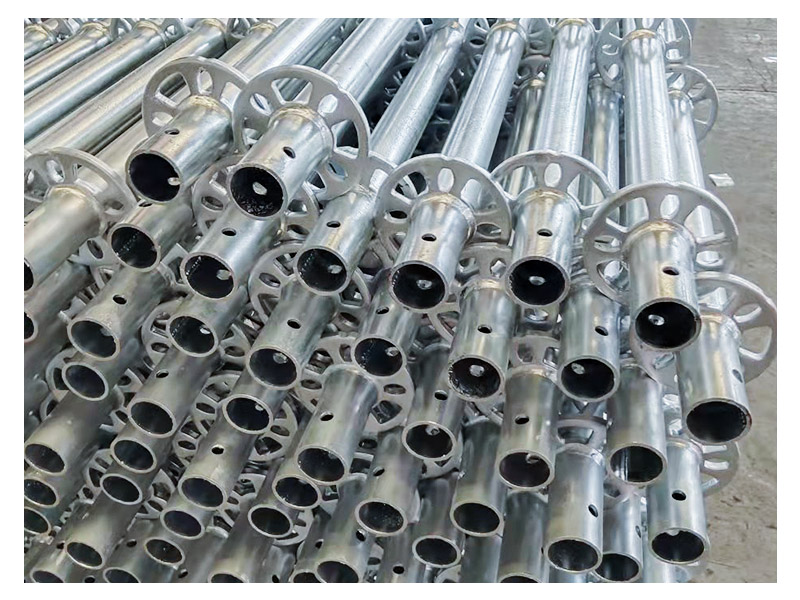

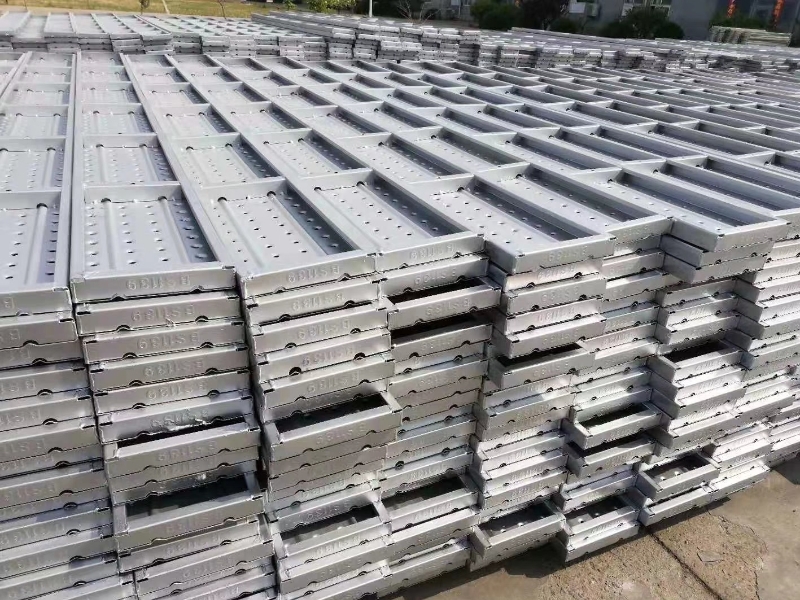


| Size: |
|---|


| weight: |
|---|


| weight: |
|---|


| weight: |
|---|


Choosing the wrong scaffold frame can make a simple construction job more difficult. H frame and ladder frame scaffolding both support elevated work, but their designs differ. H frames use horizontal supports, while ladder frames include rungs that may provide approved climbing access. These differences affect worker movement, platform layouts, and equipment compatibility. However, neither design is automatically stronger or safer than the other. The right Frame Scaffolding depends on load requirements, system configuration, and proper installation. Understanding these factors helps you choose a suitable frame for your project. This comparison explores their practical differences, working conditions, and key selection considerations.

A lighter scaffold component can make installation easier, but does it always perform as well? Component weight matters when choosing Ringlock Scaffolding for construction, industrial maintenance, and temporary access projects. Steel components generally weigh more than aluminium ones, although dimensions and connection designs affect the difference. Tube thickness and alloy selection also influence the final weight of each component. These differences affect manual handling, transportation costs, installation efficiency, and overall project planning. However, lighter components do not necessarily offer the same structural capacity as heavier alternatives. Understanding these factors helps you compare steel and aluminium component weights and choose suitable materials for your project.

Choosing the wrong scaffold dimensions can leave workers short on space or create unnecessary material costs. Even standard-sized components need careful planning before installation. Ringlock Scaffolding uses vertical standards, horizontal ledgers, and rosette connections to create flexible working platforms. Their dimensions affect working height, bay spacing, and structural stability. However, standard component lengths do not always match the scaffold's final assembled dimensions. Overlooking platform width or design loads can lead to costly adjustments. Understanding common sizes and bay configurations helps you plan a more suitable layout. We'll cover standard dimensions, spacing choices, and practical measurements before ordering.

At UTM Scaffolding (Nanjing Uni-Tech Metalwork Co., Ltd.), we specialize in manufacturing high-quality Kwikstage scaffolding systems that combine the proven efficiency of the Kwikstage modular design with the unmatched durability of hot-dip galvanized steel. In this article, we’ll explore why hot-dip galvanized Kwikstage scaffolding is the smartest investment for your next construction project.


Choosing the wrong scaffold frame can make a simple construction job more difficult. H frame and ladder frame scaffolding both support elevated work, but their designs differ. H frames use horizontal supports, while ladder frames include rungs that may provide approved climbing access. These differences affect worker movement, platform layouts, and equipment compatibility. However, neither design is automatically stronger or safer than the other. The right Frame Scaffolding depends on load requirements, system configuration, and proper installation. Understanding these factors helps you choose a suitable frame for your project. This comparison explores their practical differences, working conditions, and key selection considerations.
A lighter scaffold component can make installation easier, but does it always perform as well? Component weight matters when choosing Ringlock Scaffolding for construction, industrial maintenance, and temporary access projects. Steel components generally weigh more than aluminium ones, although dimensions and connection designs affect the difference. Tube thickness and alloy selection also influence the final weight of each component. These differences affect manual handling, transportation costs, installation efficiency, and overall project planning. However, lighter components do not necessarily offer the same structural capacity as heavier alternatives. Understanding these factors helps you compare steel and aluminium component weights and choose suitable materials for your project.
Choosing the wrong scaffold dimensions can leave workers short on space or create unnecessary material costs. Even standard-sized components need careful planning before installation. Ringlock Scaffolding uses vertical standards, horizontal ledgers, and rosette connections to create flexible working platforms. Their dimensions affect working height, bay spacing, and structural stability. However, standard component lengths do not always match the scaffold's final assembled dimensions. Overlooking platform width or design loads can lead to costly adjustments. Understanding common sizes and bay configurations helps you plan a more suitable layout. We'll cover standard dimensions, spacing choices, and practical measurements before ordering.

Complete buyer's guide to scaffolding beam clamps (girder couplers). Compare fixed vs swivel types, load capacity specs, installation guide, and standards compliance.
At UTM Scaffolding (Nanjing Uni-Tech Metalwork Co., Ltd.), we specialize in manufacturing high-quality Kwikstage scaffolding systems that combine the proven efficiency of the Kwikstage modular design with the unmatched durability of hot-dip galvanized steel. In this article, we’ll explore why hot-dip galvanized Kwikstage scaffolding is the smartest investment for your next construction project.
2857
RINGLOCK SCAFFOLD.pdf
3003
SCAFFOLDING COUPLER.pdf
1885
ALUMINIUM SCAFFOLD TOWER Catalog.pdf
1918
Cuplock Scaffolding Catalogue.pdf
1957
KWIKSTAGE SCAFFOLDING CATALOGUE.pdf
1933
ALUMINUM RINGLOCK SCAFFOLDING CATALOGUE.pdf
1284
UTM China scaffolding supplier catalog.pdf
1002
2026 China Professional Supplier UTM SCAFFOLDING CATALOGUE