- All
- Product Name
- Product Keyword
- Product Model
- Product Summary
- Product Description
- Multi Field Search


| weight: |
|---|


| weight: |
|---|


| weight: |
|---|


| weight: |
|---|
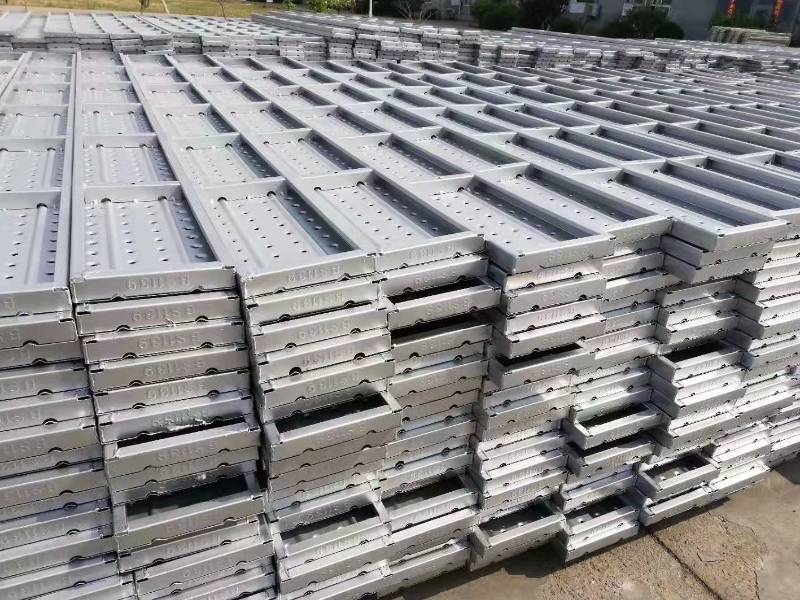
A steel scaffolding board is a metal plank that is used as a walking surface or working platform within a scaffolding system. These boards offer a safe, steady platform to stand, walk and position tools and materials when working at height.
READ MORE
Mobile scaffold towers are modular, lockable and easy to move, making them ideal for tasks that require frequent position changes, unlike fixed scaffolding which takes time to assemble and disassemble.
READ MORE
Lightweight aluminum or heavy duty steel scaffold ladders are often a dilemma for many contractors and facility managers. This simplified guide compares aluminum vs steel scaffold ladder across key performance factors, costs and application scenarios to help you make a data-driven decision.
READ MORE
Scaffolding coupler plastic covers are protective sleeves specially designed for metal scaffolding couplers, mostly made of premium polyethylene (PE) material. They serve two core functions: covering sharp edges of couplers to prevent worker injuries and isolating rain, snow, UV rays and other corrosive elements to avoid rusting and aging of metal couplers. These covers are indispensable safety accessories for construction sites.
READ MORE
The shipbuilding industry requires scaffolding systems that can be adapted to complex geometries, withstand harsh marine environments and be erected quickly to reduce dock time in the construction and maintenance of vessels. Ringlock scaffolding has been one of the most dependable modular scaffolding options for shipyards, offshore platforms and global marine repair jobs over the years.
READ MORE
Cuplock scaffolding load calculation is a cornerstone of construction safety, ensuring the system can safely support all intended loads while complying with global standards. By understanding the three primary load types, following a systematic calculation process, and accounting for key influencing factors, you can prevent overloading and protect workers, equipment, and the project itself.
READ MORE