- All
- Product Name
- Product Keyword
- Product Model
- Product Summary
- Product Description
- Multi Field Search
Views: 88 Author: Site Editor Publish Time: 2026-04-24 Origin: Site


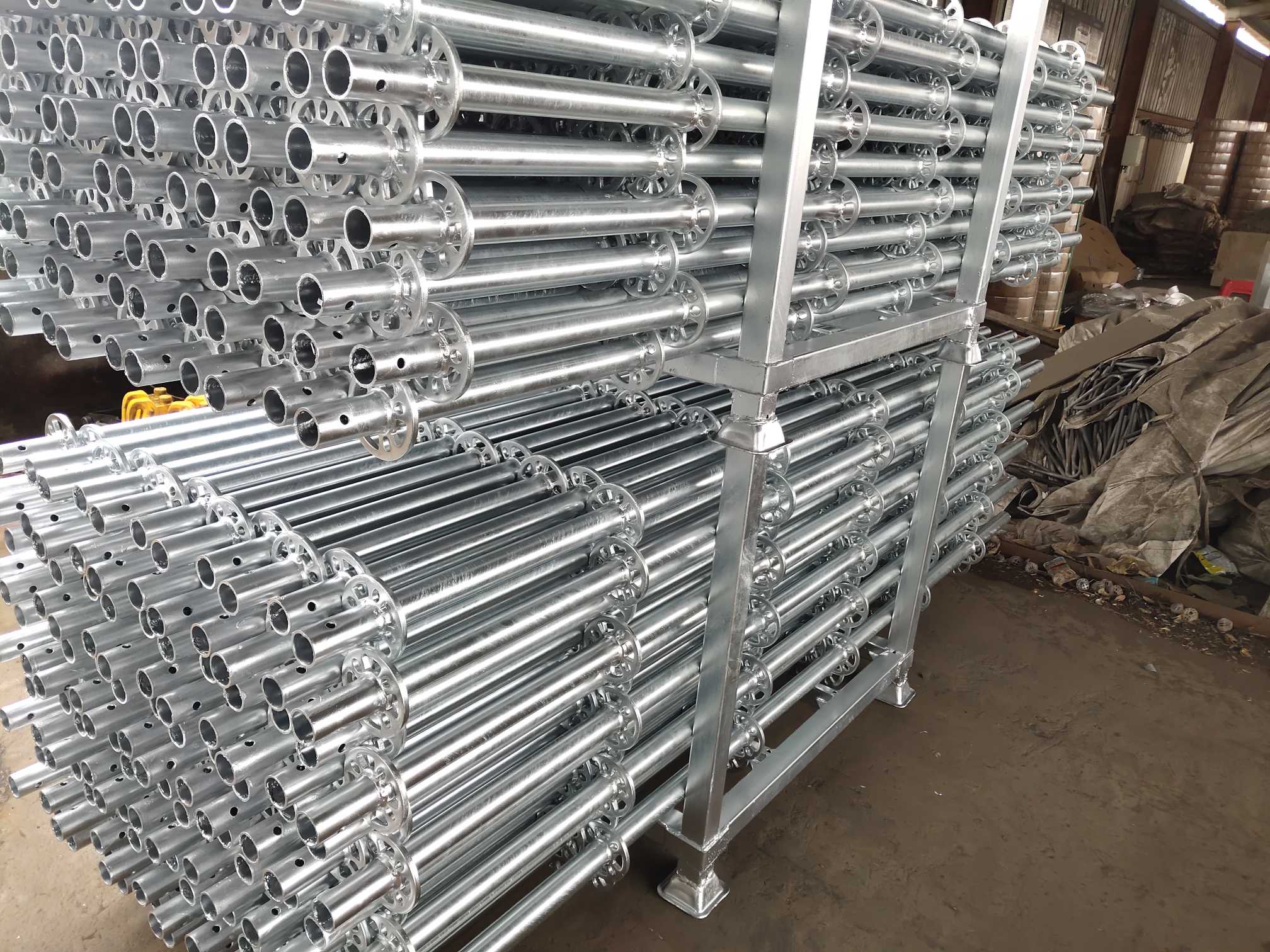
Ringlock scaffolding is a modular scaffolding system widely used in construction, infrastructure, and industrial maintenance projects due to its strong structure, fast assembly, and flexible design. Built with vertical standards, horizontal ledgers, diagonal braces, planks, base jacks, and access systems, ringlock scaffolding provides stable working platforms for complex structures such as bridges, façades, plants, and temporary support systems, making it a preferred solution over traditional scaffolding in many modern projects.
● Ringlock scaffolding is a modular scaffolding system designed for safe access and heavy-duty support.
● Ringlock scaffolding uses standards, ledgers, braces, planks, base jacks, and ladders.
● Ringlock scaffolding is suitable for construction, infrastructure, industrial, and maintenance projects.
● Ringlock scaffolding offers fast assembly, high load capacity, durability, and strong safety performance.
● Ringlock scaffolding can be customized by material, size, surface treatment, and project requirement.
Ringlock scaffolding is a modular system that connects vertical standards and horizontal ledgers through rosette joints. These circular connection points allow multiple components to be fixed securely at different angles, creating a stable and adaptable structure. This design makes ringlock scaffolding suitable for both simple and complex layouts.
The rosette and wedge pin system forms the core of ringlock scaffolding. Ledgers and braces are inserted into the rosette and locked with wedges, creating rigid joints that transfer loads efficiently. This method reduces loose fittings and improves structural consistency across the entire scaffold.
A full ringlock scaffolding system includes standards, ledgers, braces, planks, base jacks, and access components. Each part is designed to work together, allowing the structure to be expanded or modified based on project requirements. This modularity makes ringlock scaffolding highly efficient on dynamic job sites.

Ringlock scaffolding is typically produced using Q235 or Q345 steel, depending on load requirements. Strong and consistent material ensures that the system can handle structural stress and repeated use without deformation. Material quality plays a direct role in durability and safety.
Steel tubes are cut to size before rosettes and connectors are welded into place. Accurate welding is essential because ringlock scaffolding relies on strong joints for load distribution. Clean weld seams and consistent alignment improve both performance and assembly efficiency.
Hot-dip galvanizing is commonly used to protect ringlock scaffolding from corrosion. This coating extends service life, especially in outdoor or industrial environments. Proper inspection ensures coating thickness, smooth surface, and full coverage.
Production Stage | Key Focus | Purpose |
Material | Steel grade | Structural strength |
Cutting | Length accuracy | Assembly precision |
Welding | Joint integrity | Safety performance |
Galvanizing | Coating thickness | Corrosion resistance |
The ringlock standard is the main vertical component in ringlock scaffolding and is responsible for carrying most of the load. Rosettes are welded at regular intervals, usually every 500 mm, allowing ledgers and braces to connect at multiple positions. This design provides flexibility in height adjustment and structural layout.
High-quality standards must maintain consistent tube thickness and straightness to ensure proper alignment during installation. Any deviation can affect the overall stability of ringlock scaffolding, especially in tall or heavy-duty applications. Strong standards form the foundation of a reliable scaffolding system.
The ringlock ledger connects standards horizontally and forms the basic framework of ringlock scaffolding. It helps distribute loads evenly while supporting scaffolding planks and working platforms. Accurate ledger length is important to ensure tight and secure connections.
Each ledger is equipped with wedge heads that lock into the rosette, creating a firm joint. Properly manufactured ledgers improve structural balance and reduce movement within the system. This contributes to the overall stability and safety of ringlock scaffolding.
Diagonal braces provide lateral support and prevent movement caused by external forces such as wind or uneven loading. By forming a triangular structure, they significantly improve the rigidity of ringlock scaffolding. This is particularly important for higher structures or complex installations.
Correct placement of braces ensures that the system remains stable during use. Without sufficient bracing, ringlock scaffolding may experience sway or deformation, which can affect safety and performance.
Scaffolding planks create the working platform for workers and materials. Steel planks are commonly used in ringlock scaffolding because of their strength and durability. Anti-slip surfaces are often included to improve safety in different weather conditions.
Planks must match the ledger spacing and provide adequate load capacity. Reliable planks ensure a stable and secure working surface, which is essential for efficient construction operations.
The base jack is used to adjust the height of ringlock scaffolding and ensure a level foundation on uneven ground. It allows precise positioning of the scaffold before assembly continues. Proper leveling is critical for maintaining balance throughout the structure.
A strong base jack distributes loads evenly to the ground, reducing the risk of tilting or settlement. It plays a key role in supporting the stability of the entire ringlock scaffolding system.
Ladders and stair systems provide safe vertical access within ringlock scaffolding. They allow workers to move between levels efficiently without climbing on structural components. This reduces the risk of accidents and improves site organization.
Well-installed access systems enhance both safety and productivity. In larger projects, dedicated stair towers are often used to provide more stable and convenient movement within the scaffolding structure.
Component | Function | Requirement |
Standard | Vertical load | Strong steel |
Ledger | Horizontal link | Accurate size |
Brace | Stability | Firm connection |
Plank | Work platform | Anti-slip |
Base Jack | Leveling | Adjustable |
Ladder | Access | Safe design |
Ringlock scaffolding adapts to a wide range of structures, including straight façades, curved buildings, and complex industrial layouts. The rosette connection allows components to be fixed at multiple angles, making it flexible for different project requirements. This makes ringlock scaffolding suitable for construction, infrastructure, and maintenance work.
The modular design also allows easy extension in height and width. This enables the same ringlock scaffolding system to be used across different project scales. As a result, it improves efficiency and reduces the need for multiple scaffolding types.
The wedge-lock system in ringlock scaffolding allows quick installation without bolts or loose fittings. Workers can secure components with simple hammering, reducing installation steps. This helps speed up project timelines.
Simplified connections also reduce the chance of missing or incorrect parts. This improves workflow and minimizes delays on site. Fast assembly and dismantling make ringlock scaffolding ideal for time-sensitive projects.
Ringlock scaffolding distributes loads evenly across its structure, improving stability. The rigid connections allow forces to transfer efficiently between components. This supports heavy materials and multiple workers safely.
Strong steel materials further enhance load-bearing performance. This makes ringlock scaffolding suitable for both standard and heavy-duty applications. It provides a stable working platform in demanding conditions.
Galvanized ringlock scaffolding resists corrosion and environmental damage. The protective coating ensures long-term use in outdoor and industrial environments. This helps maintain structural integrity over time.
Durability also reduces maintenance and replacement frequency. Even with repeated use, ringlock scaffolding can maintain consistent performance. This makes it a practical solution for long-term projects.
The structured connection system of ringlock scaffolding reduces assembly errors. Each component fits securely into place, improving reliability. This lowers the risk of incorrect installation.
Stable joints and proper bracing enhance safety during use. Ringlock scaffolding maintains balance under dynamic loads. This creates a secure working environment on site.

Ringlock scaffolding is widely used in building construction for façade work, installation, and maintenance. Its modular design allows flexible height and width adjustments. This supports efficient construction workflows.
Bridge, tunnel, and transport projects require strong and adaptable scaffolding. Ringlock scaffolding meets these needs with stable and adjustable structures. It performs well in complex engineering environments.
Factories, refineries, and power plants use ringlock scaffolding for maintenance access. The system adapts around equipment and structures easily. Its durability makes it suitable for long-term industrial use.
Selecting the right steel grade and tube size is essential for performance. Different projects require different load capacities. Clear specifications ensure proper system selection.
Welding quality and surface finish should be carefully checked. Poor welding or coating can reduce lifespan and safety. Reliable ringlock scaffolding must meet strict inspection standards.
Components should match in size and connection design. Incompatible parts can cause installation issues. Consistency ensures smooth assembly and stable performance.
Ringlock scaffolding is a reliable and efficient system for modern construction and industrial applications. Its modular structure, strong load capacity, and fast assembly make it a preferred choice across many projects. Nanjing Uni-Tech Metalwork Company Ltd. provides ringlock scaffolding systems designed for durability, safety, and global project requirements.
Ringlock scaffolding is used for construction access, maintenance work, and temporary support structures. It is suitable for projects requiring flexibility and strength. Its modular design allows use in various environments.
Ringlock scaffolding has high load capacity due to its rigid connection system. Proper installation ensures stable performance. It is suitable for heavy-duty applications.
Ringlock scaffolding is typically made from Q235 or Q345 steel. These materials provide strength and durability. Surface treatments improve corrosion resistance.
Ringlock scaffolding is safe when properly installed and inspected. Its design reduces assembly errors and improves stability. Regular checks ensure ongoing safety.