- All
- Product Name
- Product Keyword
- Product Model
- Product Summary
- Product Description
- Multi Field Search
The shipbuilding industry requires scaffolding systems that can be adapted to complex geometries, withstand harsh marine environments and be erected quickly to reduce dock time in the construction and maintenance of vessels. Ringlock scaffolding has been one of the most dependable modular scaffolding options for shipyards, offshore platforms and global marine repair jobs over the years.
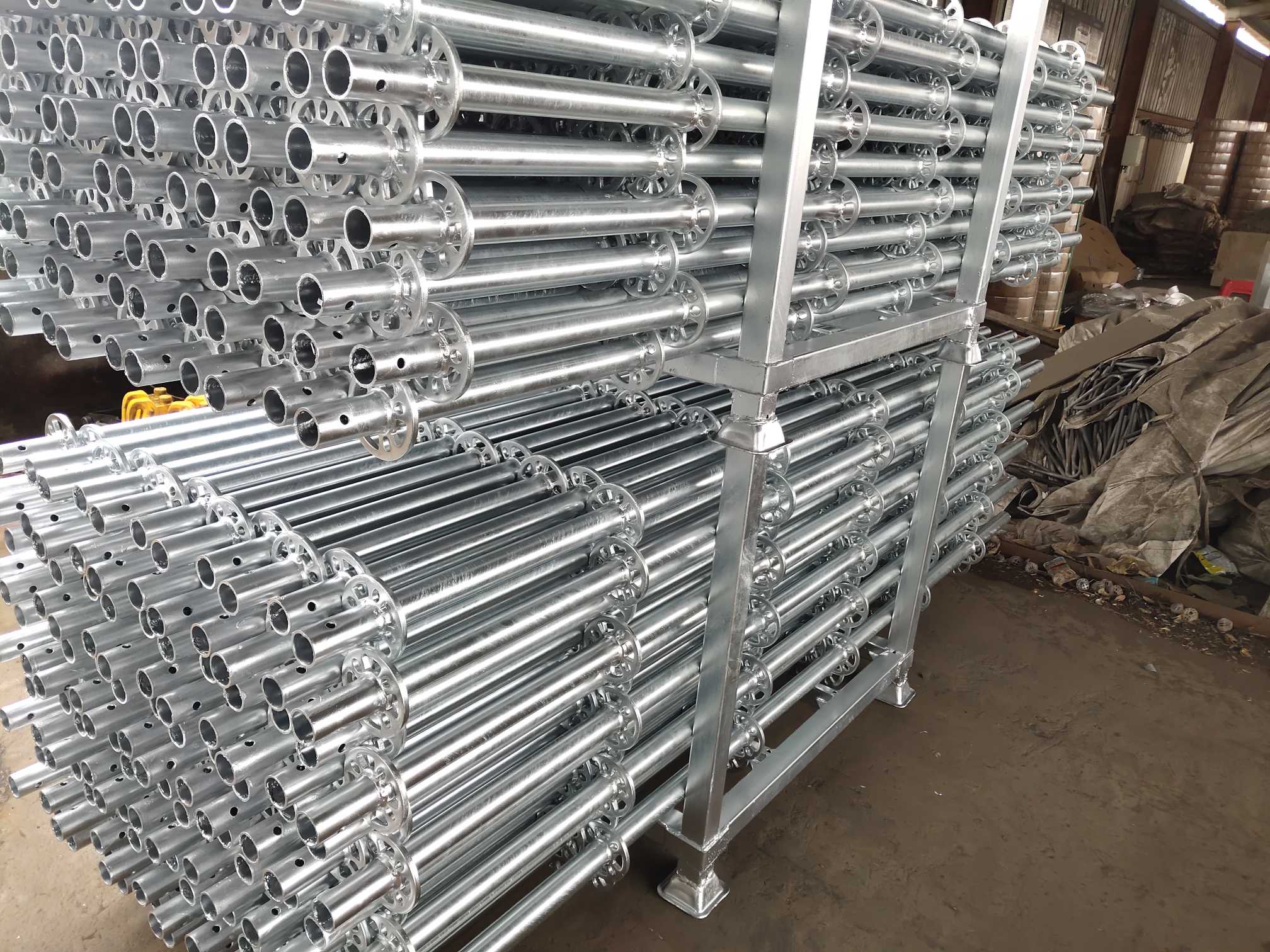
● Ringlock scaffolding is a modular scaffolding system designed for safe access and heavy-duty support. ● Ringlock scaffolding uses standards, ledgers, braces, planks, base jacks, and ladders. ● Ringlock scaffolding is suitable for construction, infrastructure, industrial, and maintenance projects. ● Ringlock scaffolding offers fast assembly, high load capacity, durability, and strong safety performance. ● Ringlock scaffolding can be customized by material, size, surface treatment, and project requirement.
● Ringlock scaffolding is a modular access system designed for strength, safety, and flexibility. ● Main ringlock scaffolding components include standards, ledgers, braces, base jacks, planks, toe boards, and ladders. ● Proper installation of ringlock scaffolding starts with ground preparation and base leveling. ● Bracing, platform placement, guardrails, and toe boards are essential for safe ringlock scaffolding use. ● Ringlock scaffolding should be inspected before, during, and after installation.
Compared with cuplock scaffolding, tube & coupler scaffolding, and frame scaffolding, ringlock system shows obvious advantages in overall cost efficiency, safety, assembly speed, and long-term performance
Advantages of Ringlock Scaffolding vs Traditional Tube & Coupler Scaffolding: Much faster erection & dismantlingRinglock uses a wedge-lock system
Ringlock scaffold is a common scaffold type, which has been widely used because of its excellent load-bearing performance, flexibility and easy installation. This paper will introduce the characteristics, scope of use, construction steps and precautions of the Ringlock scaffold in detail.First, the
Ringlock Scaffolding is a versatile and efficient scaffolding system widely used in construction projects around the globe. Known for its flexibility, ease of assembly, and safety features, it has become a preferred choice for many contractors and builders. This guide will delve into the components
In the construction industry, the choice of scaffolding can significantly impact the efficiency, safety, and cost-effectiveness of a project. Among the various types of scaffolding available, Ringlock Scaffolding has emerged as a popular choice due to its versatility and robust design.