
- All
- Product Name
- Product Keyword
- Product Model
- Product Summary
- Product Description
- Multi Field Search
Views: 0 Author: Site Editor Publish Time: 2025-10-30 Origin: Site


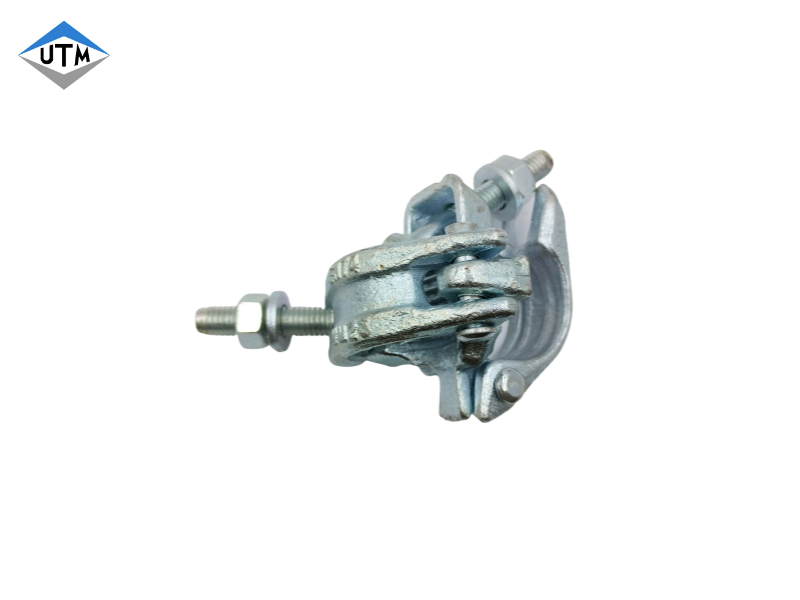
In the realm of construction, scaffolding plays a pivotal role in ensuring the safety and efficiency of building projects. Among the various components that make up a scaffolding system, the Scaffolding Coupler is indispensable. This comprehensive guide aims to delve into the intricacies of scaffolding couplers, providing construction professionals with the knowledge needed to optimize their use. From understanding the types and applications to exploring the latest innovations and safety standards, this article covers all aspects of scaffolding couplers.
Scaffolding couplers are essential components that connect the various parts of a scaffolding structure. They ensure stability and safety, making them crucial for any construction project. These couplers come in different types, each serving a specific purpose. The most common types include right-angle couplers, swivel couplers, and sleeve couplers. Right-angle couplers are used to connect two tubes at a 90-degree angle, providing a strong and stable joint. Swivel couplers, on the other hand, allow for flexibility as they can rotate, making them ideal for connecting tubes at various angles. Sleeve couplers are used to join two tubes end-to-end, ensuring continuity and strength in the scaffolding structure.
The diversity in scaffolding couplers is designed to cater to the specific needs of different construction projects. Each type of coupler is engineered to handle specific loads and conditions. For instance, putlog couplers are used to attach putlogs to the ledgers, while board retaining couplers are used to secure scaffold boards in place. Understanding the various types and their applications is crucial for construction professionals to ensure the safety and efficiency of scaffolding systems.
Scaffolding couplers are typically made from steel or aluminum, materials known for their strength and durability. The manufacturing process involves precision engineering to ensure that each coupler can withstand the loads and stresses it will encounter on a construction site. Quality control is paramount, as any defect in a coupler can compromise the entire scaffolding structure. Manufacturers often adhere to international standards, such as those set by the British Standards Institution (BSI) or the American National Standards Institute (ANSI), to ensure the reliability and safety of their products.
Scaffolding couplers are used in a wide range of applications within the construction industry. They are essential for creating temporary structures that provide access to high areas, support for work crews and materials, and platforms for construction activities. The versatility of scaffolding couplers allows them to be used in various configurations, making them suitable for different types of construction projects, from residential buildings to large-scale industrial sites.
In residential construction, scaffolding couplers are used to create stable platforms for workers to perform tasks such as painting, roofing, and siding installation. The flexibility and strength of couplers allow for the construction of scaffolding systems that can be easily adjusted to fit the contours of a building, ensuring safety and efficiency.
For commercial and industrial projects, scaffolding couplers are used to build extensive scaffolding systems that can support heavy loads and withstand harsh environmental conditions. These projects often require scaffolding systems that can reach significant heights and span large areas, making the choice of couplers critical to the success of the project. High-quality couplers ensure that the scaffolding remains stable and secure, even under challenging conditions.
The construction industry is continually evolving, and scaffolding technology is no exception. Recent innovations in scaffolding couplers have focused on improving safety, efficiency, and ease of use. One such innovation is the development of quick-release couplers, which allow for faster assembly and disassembly of scaffolding systems. These couplers reduce labor costs and increase productivity by minimizing the time required to set up and take down scaffolding.
Safety is a paramount concern in the construction industry, and innovations in scaffolding couplers have focused on enhancing safety features. Some modern couplers are designed with built-in safety locks that prevent accidental disconnection, reducing the risk of scaffolding collapse. Additionally, manufacturers are using advanced materials and coatings to improve the durability and corrosion resistance of couplers, ensuring they remain safe and reliable over time.
As the construction industry moves towards more sustainable practices, scaffolding couplers are also being designed with sustainability in mind. Manufacturers are exploring the use of recycled materials and environmentally friendly coatings to reduce the environmental impact of coupler production. Additionally, the development of modular scaffolding systems, which can be easily reconfigured and reused, is helping to reduce waste and promote sustainability in construction.
Adhering to safety standards and regulations is crucial when using scaffolding couplers. These standards are designed to ensure the safety of workers and the stability of scaffolding structures. In the United States, the Occupational Safety and Health Administration (OSHA) sets forth regulations that govern the use of scaffolding and couplers. These regulations specify the requirements for the design, construction, and maintenance of scaffolding systems, including the types of couplers that can be used and their load-bearing capacities.
In addition to national regulations, international standards play a significant role in ensuring the safety and reliability of scaffolding couplers. Organizations such as the International Organization for Standardization (ISO) and the European Committee for Standardization (CEN) provide guidelines for the design and testing of scaffolding components. These standards help ensure that couplers are manufactured to a high level of quality and can withstand the demands of construction projects worldwide.
Compliance with safety standards and regulations is essential for construction companies to avoid penalties and ensure the safety of their workers. Regular inspections of scaffolding systems, including the couplers, are necessary to identify any potential issues and address them promptly. Inspections should be conducted by qualified personnel who are familiar with the relevant standards and regulations, ensuring that all components are in good condition and properly installed.
Scaffolding couplers are a vital component of any construction project, providing the stability and flexibility needed to create safe and efficient scaffolding systems. Understanding the different types of couplers, their applications, and the latest innovations is crucial for construction professionals looking to optimize their use. By adhering to safety standards and regulations, and staying informed about the latest developments in scaffolding technology, professionals can ensure the safety and success of their projects. For more information on scaffolding couplers, visit the Scaffolding Coupler page.
1. What are the main types of scaffolding couplers? The main types of scaffolding couplers include right-angle couplers, swivel couplers, and sleeve couplers, each serving specific functions in scaffolding systems.
2. Why is material choice important for scaffolding couplers? Material choice is crucial because it affects the strength, durability, and safety of the couplers. Steel and aluminum are commonly used due to their robust properties.
3. How do innovations in scaffolding couplers enhance safety? Innovations such as quick-release mechanisms and built-in safety locks improve safety by reducing setup time and preventing accidental disconnections.
4. What role do international standards play in scaffolding safety? International standards ensure that scaffolding components, including couplers, are manufactured to high-quality specifications, ensuring safety and reliability across global projects.
5. How can construction professionals ensure compliance with safety regulations? Compliance can be ensured through regular inspections, adherence to OSHA regulations, and following guidelines set by international standards organizations.
6. What are the sustainability considerations for scaffolding couplers? Sustainability considerations include using recycled materials, environmentally friendly coatings, and developing modular systems to reduce waste.
7. How do scaffolding couplers contribute to project efficiency? Scaffolding couplers contribute to efficiency by allowing for quick assembly and disassembly of scaffolding systems, reducing labor costs and time on site.